While cost is a factor, St. Louis residents aren’t willing to trade savings for quality healthcare
The Urgent Care Pulse Check Survey – St. Louis

In St. Louis, many healthcare decisions come down to balancing cost, convenience and access to trusted providers. New findings from the Urgent Care Pulse Check Survey commissioned by Mercy-GoHealth Urgent Care show that cost and insurance concerns often shape when residents decide to seek medical care.
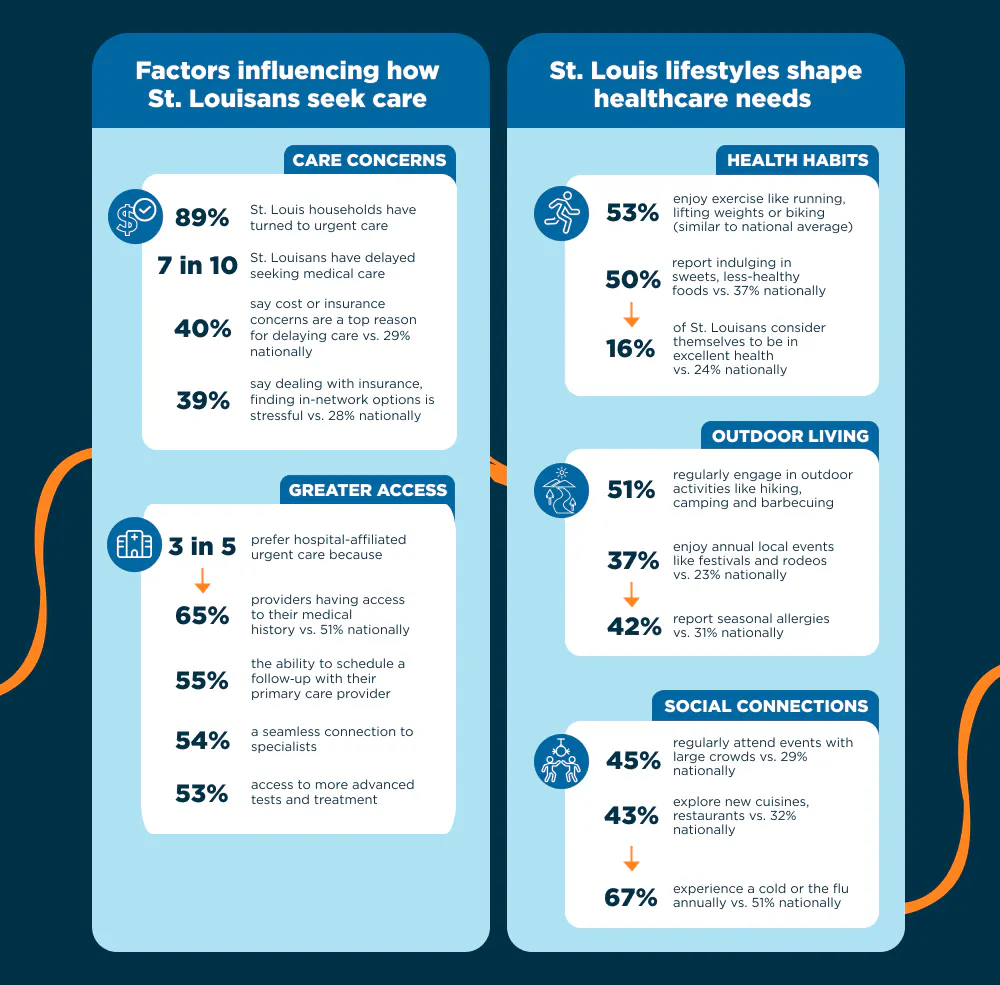
Seven in 10 adults in the St. Louis region say they have delayed seeking medical care, underscoring the impact financial considerations can have on healthcare decisions. Of those who have delayed getting medical care, concerns over cost or insurance coverage is their top reason (40% vs. 29% nationally).
When looking for care on short notice, many St. Louisans turn to urgent care as a more affordable option. Fifty-four percent say they prefer urgent care over other medical care options because of its lower cost or better insurance fit, nearly double the national average of 32%. That's the highest cost-preference figure among all regions surveyed.
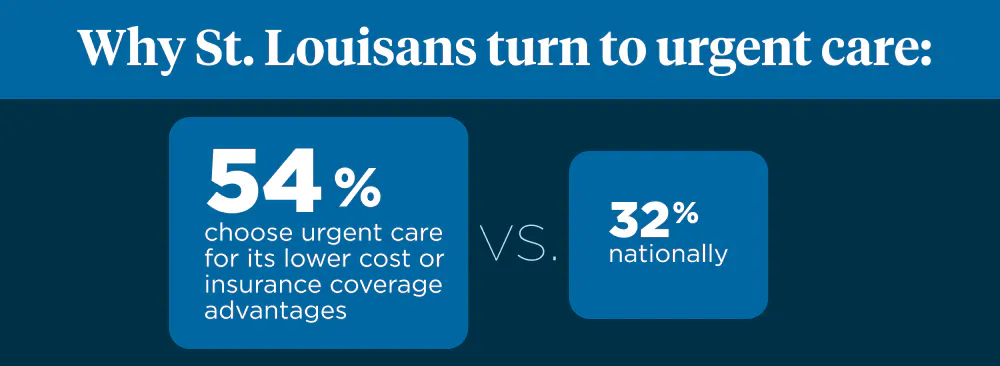
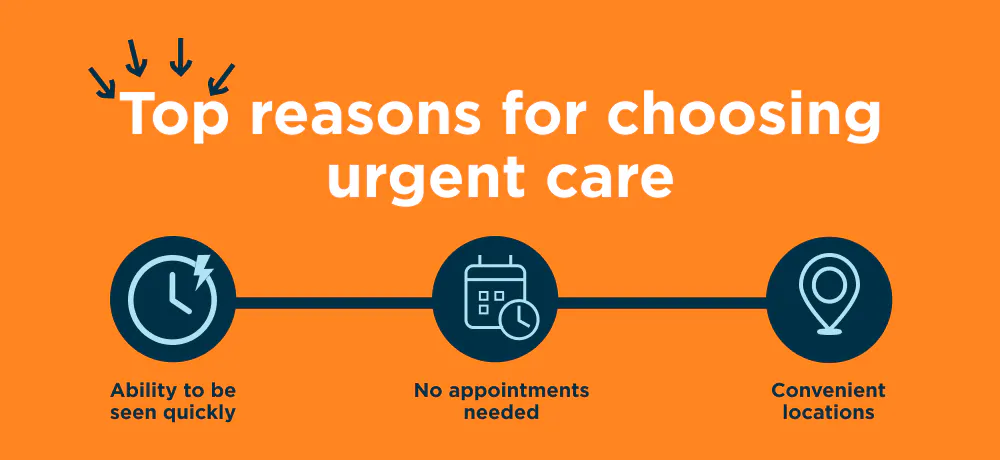
While cost concerns lead some to put off getting care, once they're going, St. Louis residents prioritize speed and convenience. Seventy-two percent say urgent care is their choice for quick care. Sixty-nine percent don't want to make an appointment. Sixty-six percent say location matters, compared to 52% nationally.
Residents prefer urgent care connected to a health system
A majority of St. Louisans also want the care they receive to be connected to a broader healthcare system. Sixty-two percent prefer to visit urgent care centers affiliated with hospitals or health systems—places where providers can access their medical history and help coordinate next steps if additional care is needed.
- 65% value providers having access to their medical history
- 55% value the ability to schedule a follow-up visit with their primary care provider
- 54% value seamless connection to specialists
- 53% value access to more advanced tests and treatments
These preferences reflect a desire for healthcare that combines the speed and convenience of urgent care with the continuity and coordination of a larger health system.
Social lifestyles can increase exposure to seasonal illness
Daily life, where people spend time and how they stay active, also shapes how frequently they need care and what kind. Life in St. Louis often includes attending community events, exploring restaurants, and visiting local attractions. While these activities contribute to the region’s vibrant culture, they can also increase exposure to seasonal illnesses.
- 45% regularly attend events with large crowds (vs. 29% nationally)
- 43% enjoy exploring cuisines or new restaurants (vs. 32% nationally)
- 32% enjoy local attractions such as concerts, museums, or amusement parks (vs. 22% nationally)
Large gatherings and crowded venues can increase exposure to seasonal viruses. This may help explain why 67% of St. Louis residents say their family experiences cold or flu symptoms each year, significantly higher than the national average of 51%, reinforcing the importance of convenient access to care when illness strikes.
Outdoor living brings seasonal allergy triggers
Outdoor recreation is also central to life in the St. Louis region, and many residents spend time hiking, camping, attending festivals, or enjoying local parks throughout the year.
- 51% regularly engage in outdoor activities like hiking, camping, and barbecuing
- 39% appreciate the region’s parks and playgrounds
- 37% enjoy annual local events such as festivals and rodeos (vs. 23% nationally)
However, time spent outdoors can also bring seasonal health challenges. Two in five St. Louis residents report seasonal allergies, a rate 30% higher than the national average. These seasonal patterns help explain why many residents seek care for recurring allergy and respiratory symptoms.
Health habits and overall wellness
Daily habits also affect overall health across the region. Many St. Louis residents report staying active through exercise, with activity levels largely aligned with national averages.
- 53% participate in individual exercise such as running, lifting weights or biking
- 15% take part in fitness classes
- 21% participate in sports
At the same time, diet and health perceptions point to areas where residents say they want to do better.
- 50% report indulging in sweets or less healthy foods (vs. 37% nationally)
- Only 16% consider themselves to be in excellent health (vs. 24% nationally)
Taken together, these health habits and perceptions may contribute to the region’s higher rates of seasonal illness—and reinforce the need for accessible care when symptoms arise.
Supporting St. Louis residents with accessible care
For St. Louis residents, having the right care option at the right moment matters. Whether it's a child's sudden fever after school or a sprained ankle that can't wait until Monday, knowing where to go without jumping through hoops makes a real difference. The goal isn't just access. It's confidence that when something comes up, there's somewhere to turn that fits their life, their schedule, and their budget.
Resources: